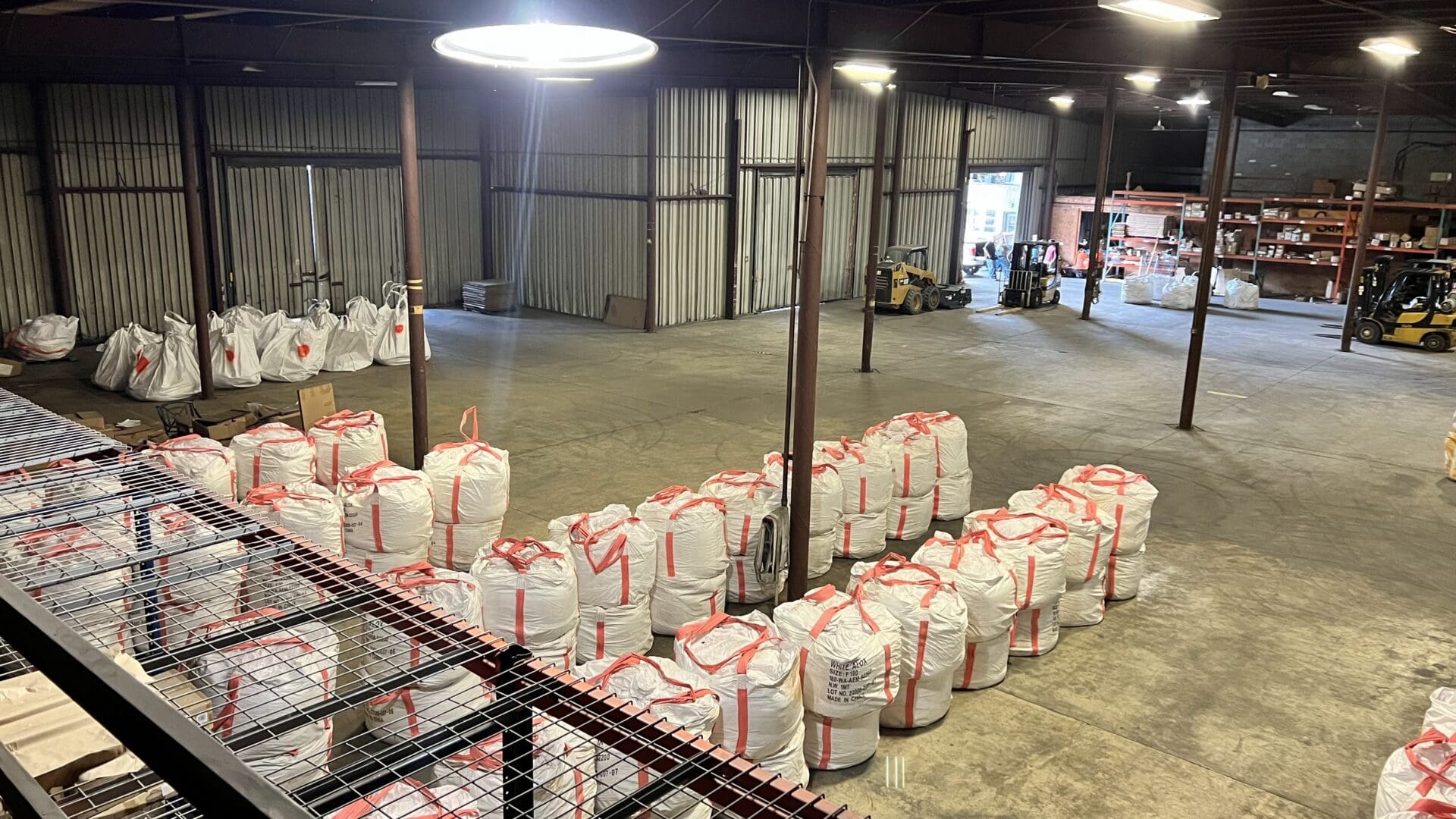
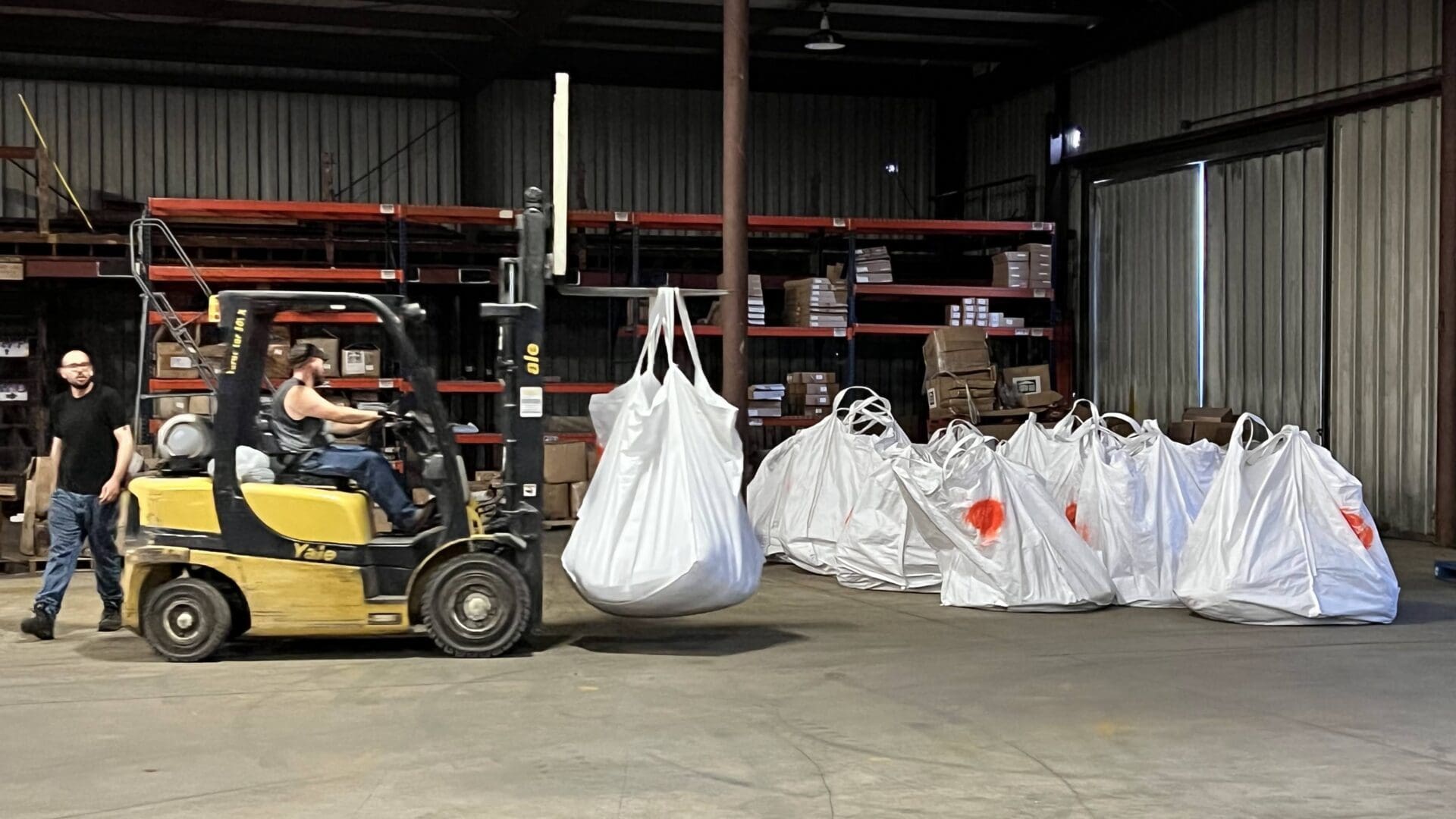
Nestled on the Ohio River at mile marker 70 in Follansbee, WV, the Port of West Virginia stands as a dynamic inland river port designed to serve as a trimodal logistics hub—integrating barge, rail, and truck transportation. This strategic location places the port within the heart of the energy and raw materials corridor spanning West Virginia, Pennsylvania, Ohio, and Kentucky.
The port’s infrastructure includes:
80-acre barge staging area
8,000 feet of river frontage
20,000 feet of rail spurs
Direct highway access to WV State Route 2, U.S. Route 22, and Interstates 70 and 79.
Transloading Services and Capabilities
Rail
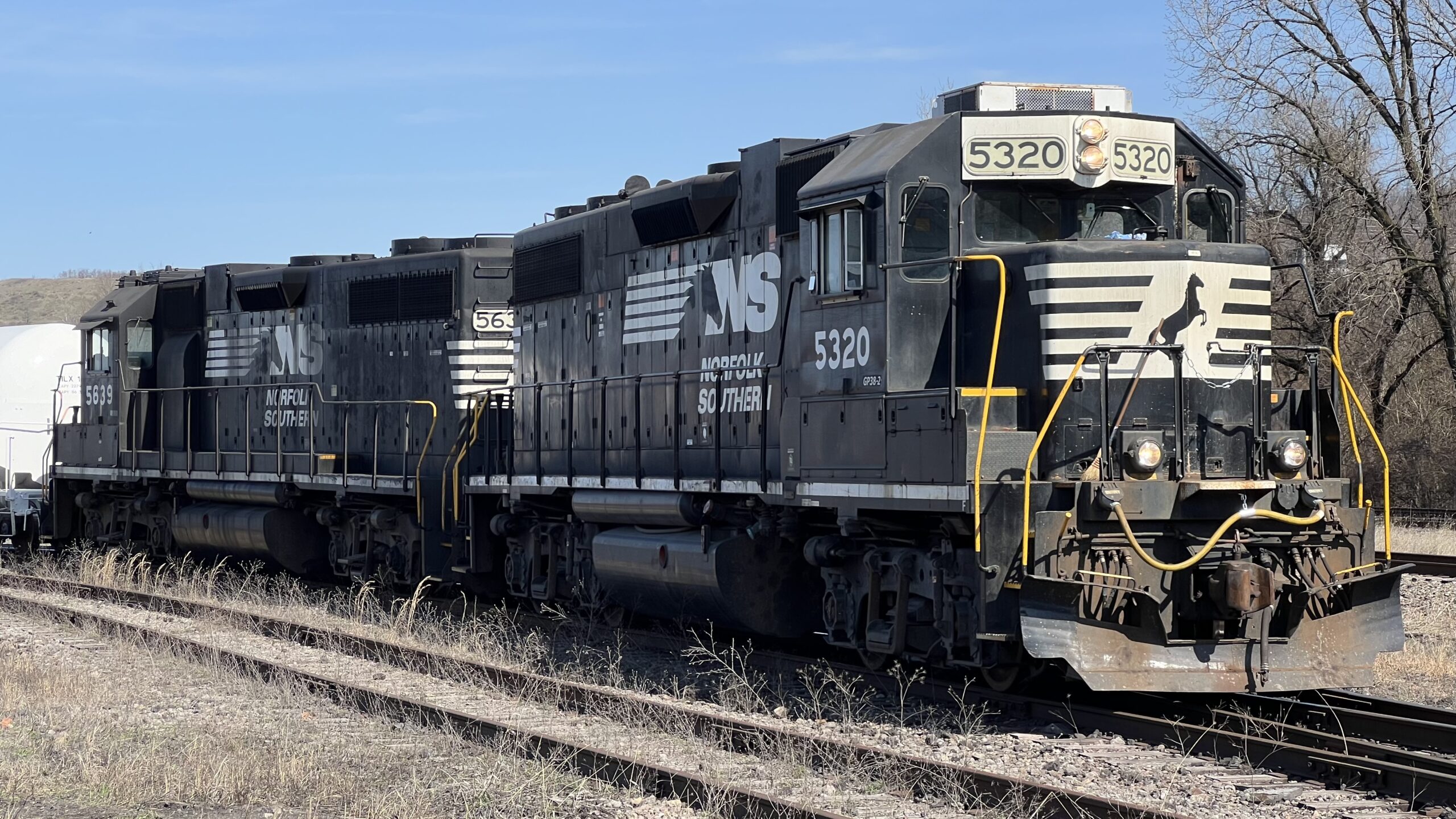
The port is served by Norfolk Southern Railway and the newly launched Empire River Rail, a shortline railroad that enhances regional connectivity. The North Rail Bridge, approved by the Federal Rail Administration, will link the port to interstate rail lines, enabling seamless freight movement across the country.
Barge
As a permitted barge facility authorized by the U.S. Army Corps of Engineers, the port handles breakbulk and dry bulk cargo, including steel, aggregates, and gypsum. Its barge infrastructure supports high-volume operations, with the ability to load 10,000 tons per day.
Truck
The port’s proximity to critical freight corridors—designated as Critical Rural Freight Corridors (CRFC)—allows efficient truck access and distribution. This multimodal integration helps alleviate freight bottlenecks identified in the West Virginia State Freight Plan, particularly along I-70.
Strategic Role in National Freight Networks
The Port of West Virginia is a designated terminal on Marine Highway Corridors M-70 and M-79, connecting the Mississippi River system to the Great Lakes and Northeast. It is a key node in the Maritime Highway Alliance, collaborating with terminals in Louisiana, New York, and Wisconsin to shift freight from congested highways to more sustainable water and rail routes.
80%
Warehousing
90%
Air Freight
70%
Ocean Freight
87%
Road Transport
Environmental Benefits & Cost Efficiency
Competitive Advantages
To The Largest Companies!
Strategically located closer to inland markets, inland ports minimize the distance and expense of final delivery. They serve as multimodal hubs, seamlessly connecting river transport with road, rail, and sometimes air, thereby enhancing logistical flexibility. Environmentally, inland ports offer a greener alternative with lower emissions and a smaller environmental footprint
Our Portfolio
Learn how we help our customers achieve their goals